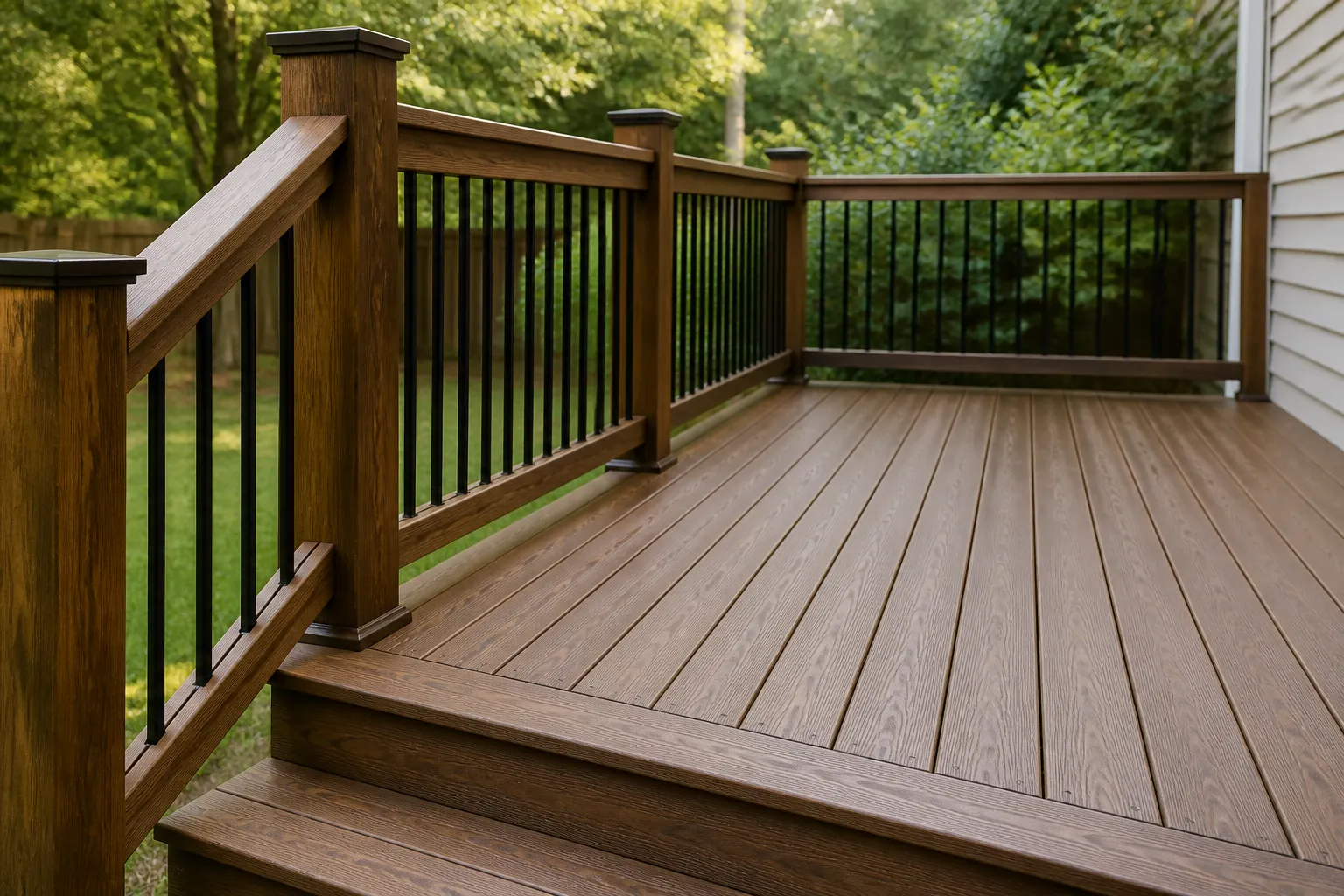
Loose boards, split rails, or soft spots underfoot can turn a deck from a relaxing outdoor space into a place people avoid. If your deck has started to sag, shake, or show signs of rot, it is time to get those problems looked at before they spread.
Tdandyhandyman handles deck repair for homeowners across San Jose, CA, with practical fixes that address damaged surfaces, unstable sections, and worn connections. Whether the concern is one board, a railing section, or several areas that need attention, we can help bring the deck back to a safer, more usable condition.
Deck damage often starts small. A board may feel soft after rain, a fastener may work loose, or a rail may begin to wobble when someone leans on it. These are the kinds of signs that deserve attention before the repair becomes larger and more disruptive.
Homeowners often notice trouble through sound and movement before they see obvious damage. Creaking steps, bouncing deck sections, and visible gaps between boards can all point to wear that should not be ignored.
Deck repair can involve more than swapping out a single board. We look at the condition of the visible surface, the connection points, and the areas that carry weight so the repair matches the real problem instead of covering it up.
Broken, split, or warped deck boards can create tripping hazards and make the whole area look neglected. Replacing worn boards helps restore a smoother walking surface and can improve how the deck feels underfoot.
Railing issues are a concern because they affect stability and confidence every time someone uses the deck. We can repair loose rails, damaged stair parts, and sections that have shifted out of place.
Some repairs involve the pieces that frame the deck rather than the surface itself. When trim, fascia, or support areas show damage, addressing them early helps keep the problem from spreading farther into the structure.
Every deck tells its own story. Some need isolated patch work, while others require several related repairs to get the area back into shape. Tdandyhandyman approaches each project by looking at how the damaged part connects to the rest of the structure.
Different decks age in different ways. Some wear down from foot traffic, while others show damage at the edges, on stairs, or around hardware. The type of material affects how the repair is handled and how visible the finished work will be.
When we repair a deck, we pay attention to the existing material so the replacement section blends as closely as possible with the surrounding structure. That helps the repair feel intentional rather than pieced together.
Deck issues are not just cosmetic. A board that looks worn may also be weak, and a rail that moves slightly can become a bigger concern when more weight is applied. Repairing these problems early reduces strain on the rest of the deck and helps keep daily use more comfortable.
It is smart to act when you notice any of the following:
If several of these signs show up at once, the deck may need more than a single cosmetic fix. We can help sort out what is failing and what can still be saved.
When a deck starts showing wear, homeowners want a clear repair plan, not a long list of vague recommendations. Tdandyhandyman focuses on the parts of the deck that are causing trouble now, then works through the rest of the repair with care and straightforward communication.
We handle deck repair for homes across San Jose, CA, and we also serve nearby communities such as Santa Clara, Campbell, Palo Alto, Fremont, Milpitas, Mountain View, and Los Gatos. That makes it easier for local homeowners to get help with deck boards, rails, stairs, and related repair work without having to manage the project alone.
We can also coordinate related home repair needs when a deck issue overlaps with other work around the house, such as exterior painting, carpentry services, or fixture installation.
A deck repair goes smoother when the problem area is easy to access. Clearing furniture, planters, grills, or stored items from the work zone helps us inspect the full surface and move through the repair without unnecessary delays.
It also helps to point out the spots that concern you most. If one board has been soft for months, or a stair section makes noise every time someone steps on it, that information can help us focus on the areas that matter most to you.
To make the visit more efficient, consider these simple steps before we arrive:
Loose boards, wobbly rails, soft spots, cracking wood, and uneven walking surfaces are all clear signs that the deck should be checked.
Yes. Many deck issues are isolated to a small section, and targeted repair can address the damaged area without disturbing the rest of the structure.
Yes. We can repair loose or damaged railing sections so the deck feels more stable and easier to use.
We can look at the full set of issues and work through them as a single repair project, which is often easier than treating each problem separately.
Yes. Replacing worn boards, fixing damaged trim, and tightening loose sections can make the whole deck look more cared for and more inviting.
Cosmetic wear usually affects appearance only, while structural wear often involves movement, softness, or instability. If a board flexes too much or a rail shifts when touched, it should be looked at.
If your deck has started to show age, wear, or unstable spots, Tdandyhandyman can help with deck repair that fits the condition of the space. From damaged boards to loose railings, we focus on practical fixes that make the deck easier to use again.
For deck repair service in San Jose, CA, contact Tdandyhandyman at td_3360@yahoo.com or call +15595131444 to get started.
Get Started
Share the repairs, upgrades, or painting work you want handled, and we will help you figure out the best next step for your home.